Wine Stop Wine Shops & Tasting Bars
酒 #5 | Kangiku "Gohyakumangoku 50"
酒 #5 | Kangiku "Gohyakumangoku 50"
Couldn't load pickup availability
Kankiku "Gohyakumangoku 50" — Junmai Daiginjo
Kankiku Meijo, Chiba Prefecture
Kankiku "Gohyakumangoku 50" is a limited-edition Junmai Daiginjo from Kankiku Meijo in Chiba Prefecture — a brewery better known among sake specialists than the general public, and one whose reputation rests on precision, restraint, and the quality of locally cultivated rice. This particular bottling represents a specific argument: that Gohyakumangoku rice, grown in Chiba's own fields and milled to 50%, can produce a Daiginjo of genuine character without relying on heavy aromatic manipulation.
The Brewery Kankiku Meijo was established in 1883 near Kujukuri Beach, on the Pacific coast of Chiba. Removed from the more celebrated sake regions of Niigata or Kyoto, the brewery has built its identity around the "Rice of Chiba" (ROC) project — a commitment to sourcing, growing, and brewing with rice grown specifically in the prefecture. The location, close to the ocean and its moderating maritime climate, contributes to a house style that leans toward freshness and clarity.
Technical Specifications
- Classification: Junmai Daiginjo
- Brewing Method: Muroka (non-charcoal filtered), Namazume (single pasteurized), Genshu (undiluted / full-strength)
- Rice Variety: Gohyakumangoku, 100% Chiba-grown (ROC series)
- Polishing Ratio (Seimaibuai): 50%
- Sake Meter Value (SMV): Not disclosed / approachable, lightly sweet-dry
- ABV: 15%
Tasting Notes
- Aroma: Lively and inviting — fresh pear, ripe citrus (yuzu, white grapefruit), and soft floral notes. The genshu character gives it more presence than a diluted sake of similar classification.
- Palate: Elegant sweetness with a rich, full mouthfeel. The undiluted nature adds weight without heaviness — the fruit is juicy and immediate, the texture silky. A faint effervescence from the non-filtration process gives the mid-palate a gentle lift.
- Finish: Clean and bright, with crisp acidity. Refreshing rather than drying — the kind of finish that makes the next sip easy.
Brewing Method — Why It Matters This bottling carries three designations that together define its character. Muroka means it bypasses activated charcoal filtration, preserving natural color (a faint golden tint) and a fuller flavor. Namazume (single pasteurization) keeps it closer to a fresh, living sake than a fully treated one. Genshu means it is bottled at full fermentation strength without water addition — which preserves intensity and texture, and is why the 15% ABV feels more expressive than most sake at that level. Each of these choices represents a decision not to standardize away what makes the sake interesting.
How to Serve
- Temperature: Best served well-chilled (38–45°F). The fruit profile and natural effervescence are most vivid cold. Not recommended warm.
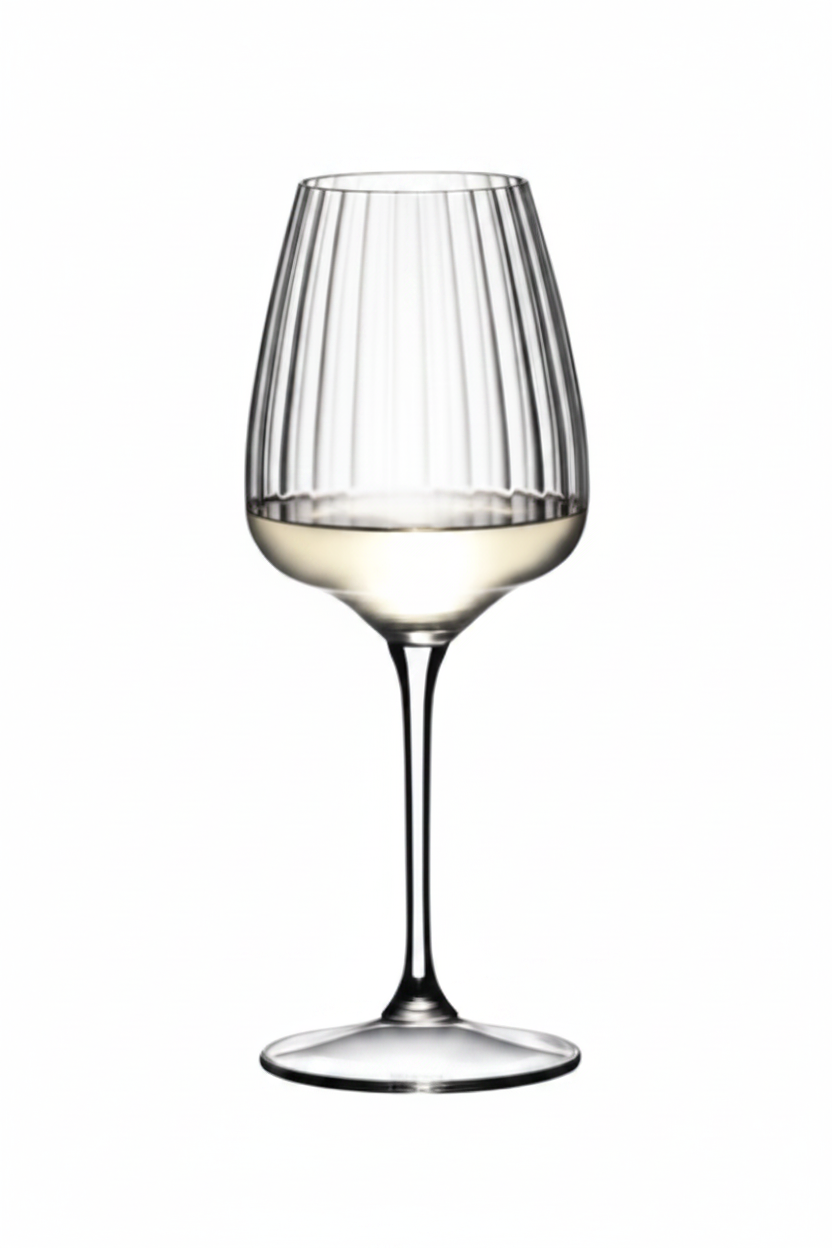
- Vessel: A white wine glass or champagne flute to capture the aromatic lift and light sparkle.
Food Pairings The fresh fruit character, bright acidity, and delicate effervescence point naturally toward light, clean flavors:
- Sashimi and sushi — particularly white fish, scallop, and sweet shrimp; the citrus note in the sake lifts the natural sweetness of the seafood
- Raw oysters — the acidity and mineral freshness are a classic pairing
- Light appetizers — edamame, chilled tofu, or cucumber with ponzu; the sake's energy matches without dominating
- Delicate cheeses — fresh mozzarella, mild brie, or mild chèvre; the fruit and acidity balance the creaminess
- Light summer salads — particularly with citrus dressings; the sake and the food speak the same flavor language
Bottle & Availability Standard 720ml bottle. Micro-batch seasonal release — sells out quickly. Retail range approximately $49–65 USD when available at premium sake and specialty retailers.
Share