Wine Stop Wine Shops & Tasting Bars
酒 #4 | Tomio All Kyoto
酒 #4 | Tomio All Kyoto
Couldn't load pickup availability
Tomio "All Kyoto" — Junmai Ginjo
Kitagawahonke Brewery, Fushimi, Kyoto
Tomio "All Kyoto" is a seasonal, limited-edition Junmai Ginjo built around a single concept: every element used to produce it — rice, yeast, water — originates within Kyoto Prefecture. It is made by Kitagawahonke, one of Fushimi's oldest operating breweries, in a district whose soft underground spring water has defined a regional style for centuries. The result is less a marketing exercise than a genuine expression of terroir — rare in sake, and meaningful when executed with this level of care.
The Brewery Kitagawahonke was established in 1657, making it one of the oldest continuously operating sake breweries in Japan. Located in Fushimi — Kyoto's historic sake district and home to the famous Fushimizu underground spring — the brewery has built its reputation on restraint, softness, and precision. The Tomio label is its flagship expression.
Technical Specifications
- Classification: Junmai Ginjo
- Brewing Method: Single pasteurization (ichinōka)
- Rice Variety: Gohyakumangoku (koji rice) and Kyo no Kagayaki (kakemai / main mash rice) — both 100% Kyoto-grown
- Polishing Ratio (Seimaibuai): 58%
- Sake Meter Value (SMV): +1.0 (lightly dry)
- ABV: 14–16%
- Yeast: Kyo no Koto — a proprietary sake yeast developed in Kyoto
Tasting Notes
- Aroma: Soft and floral — white blossom, light melon, and a delicate grain sweetness. Restrained and refined.
- Palate: Medium-bodied with balanced acidity and a rich, expressive texture from the Kyoto-grown rice. Fresh, clean, and approachable without being simple. The local yeast contributes a gentle aromatic lift.
- Finish: Smooth and lingering, with a warmth that reflects the single-pasteurization process. Neither sharp nor flat — precisely calibrated.
Brewing Method — Why It Matters Most sake undergoes two rounds of pasteurization (hi-ire) to ensure stability. Tomio All Kyoto is pasteurized only once, preserving a fresher, more expressive character while still allowing the sake to develop subtle complexity in bottle. Combined with the use of Fushimizu spring water — historically prized for producing soft, food-friendly sake — the brewing process is designed to let the Kyoto ingredients speak clearly rather than applying technique as a mask.
How to Serve
- Temperature: Serve chilled (45–50°F) to highlight the floral aromatics and clean texture. Room temperature works well with food, particularly Japanese cuisine.
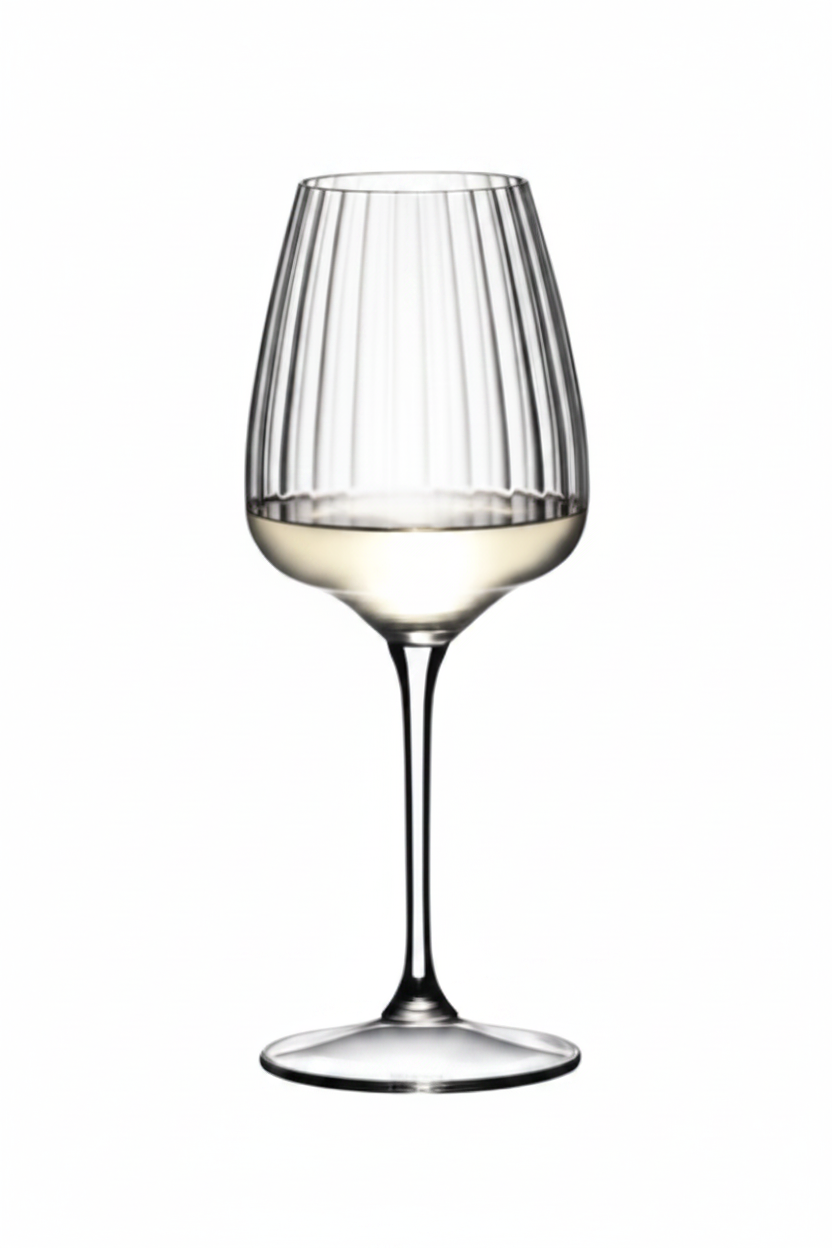
- Vessel: A white wine glass or a classic sake tokkuri with small ochoko cups. The sake's elegance is well-served by either.
Food Pairings The soft water, local yeast, and restrained fruit profile make this an ideal companion for refined, delicate food:
- Traditional Japanese cuisine (washoku) — nimono (simmered dishes), chawanmushi (steamed egg custard), or tofu preparations; the sake mirrors the subtlety of the food
- White fish and mild shellfish — sea bream, flounder, or clam; the softness of the water comes through in how gently it sits alongside delicate protein
- Lightly dressed salads and vegetable dishes — the sake's clean profile won't compete
- Mild soft cheeses — fresh ricotta, mild brie; the floral note bridges interestingly
- Sushi — particularly rice-forward preparations; the sake's own rice character resonates
Bottle & Availability Available in 300ml and 720ml formats. Seasonal release — availability depends on annual harvest and brewery allocation. Limited stock at select retailers.
Share