Wine Stop Wine Shops & Tasting Bars
酒 #1 | Bunraku "Nihonjin no Wasuremono"
酒 #1 | Bunraku "Nihonjin no Wasuremono"
Couldn't load pickup availability
Bunraku "Nihonjin no Wasuremono" — Yamahai Junmai
Kita Sake Brewery, Saitama Prefecture
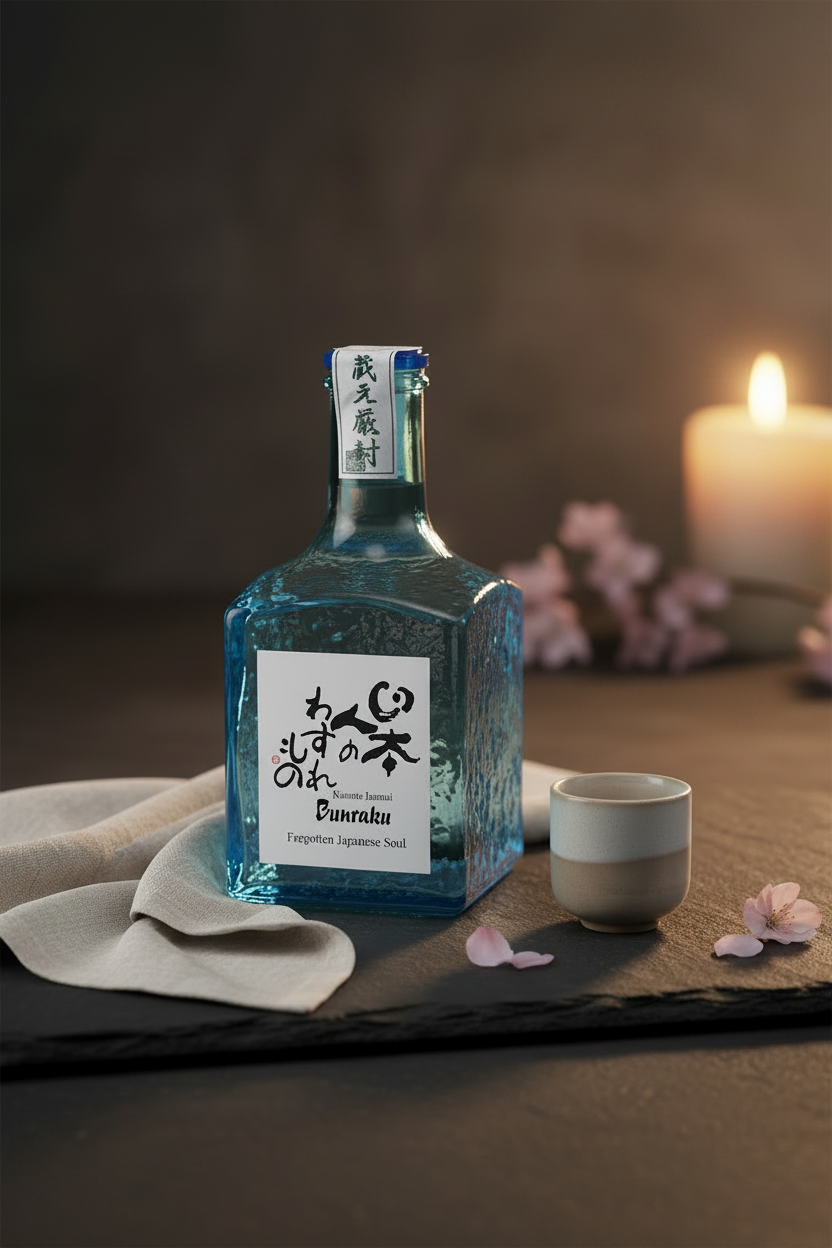
Bunraku's "Nihonjin no Wasuremono" — loosely translated as "The Forgotten Spirit of the Japanese People" — is a bold, characterful Yamahai Junmai from Kita Sake Brewery in Saitama, best known among collectors for its striking square blue bottle. The name itself is a quiet provocation: a reminder that sake, once the everyday drink of Japan, has been gradually displaced in its own culture.
The Brewery Kita Sake Brewery operates in Saitama Prefecture, north of Tokyo, in a region with a long but understated sake tradition. The brewery has maintained a commitment to traditional methods, and this bottling — produced under the Bunraku label — reflects that philosophy directly. The square blue bottle has become one of the most recognizable packages in the premium sake category.
Technical Specifications
- Classification: Junmai
- Brewing Method: Yamahai
- Rice Variety: Gohyakumangoku (Toyama Prefecture)
- Polishing Ratio (Seimaibuai): 60%
- Sake Meter Value (SMV): Not disclosed / dry character
- ABV: 15–16%
Tasting Notes
- Aroma: Ripe melon, yellow apple, and poached pear, with an undercurrent of steamed rice and a faint nuttiness.
- Palate: Full-bodied and dry, with a lively acidity that carries rich umami alongside fruit. White chocolate and steamed grain emerge mid-palate. More complexity than its clean aroma suggests.
- Finish: Long, warming, and slightly earthy — the Yamahai character asserting itself at the close.
Brewing Method — Why It Matters Yamahai is one of the oldest methods in sake production, and one of the most demanding. Rather than introducing lactic acid artificially to protect the fermenting mash, the brewer relies entirely on wild lactic acid bacteria naturally present in the brewery environment. The process takes weeks longer than modern methods and requires careful temperature management throughout. The reward is a sake with deeper acidity, more developed umami, and a wine-like complexity rarely achieved by faster techniques.
How to Serve
- Temperature: Highly versatile. Serve chilled to emphasize the fruit profile; bring to room temperature or gently warm to unlock deeper savory and nutty notes. One of the few sakes that genuinely rewards both approaches.
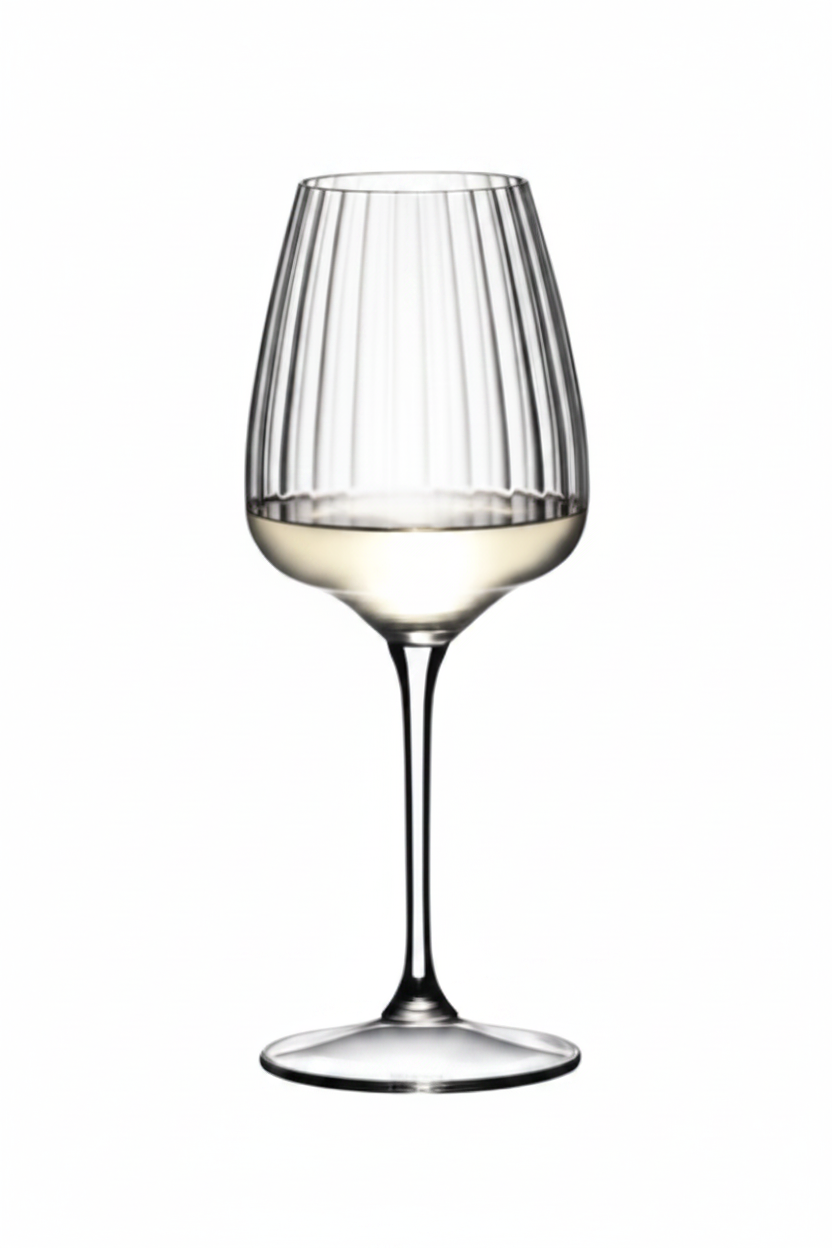
- Vessel: A white wine glass opens the aroma well. A ceramic ochoko works equally at room temperature.
Food Pairings This is a sake built for the table. Its acidity and umami depth make it a natural companion for:
- Grilled meats — yakitori, beef skewers, or pork belly; the fat and char meet the acidity cleanly
- Aged or hard cheeses — Parmigiano, aged Gouda, or Manchego; umami mirrors umami
- Spicy cuisines — Thai curries, Korean BBQ, or Sichuan dishes; the dry finish resets the palate
- Sushi and sashimi — particularly fatty cuts like toro or yellowtail
- Roasted root vegetables — the earthy, mineral quality of the sake bridges to caramelized vegetables naturally
Bottle & Availability Sold in a distinctive 300ml square blue bottle. Standard retail availability at premium sake retailers.
Share