Wine Stop Wine Shops & Tasting Bars
酒 #2 | Sawanoi "Tokyo Kurabito"
酒 #2 | Sawanoi "Tokyo Kurabito"
Couldn't load pickup availability
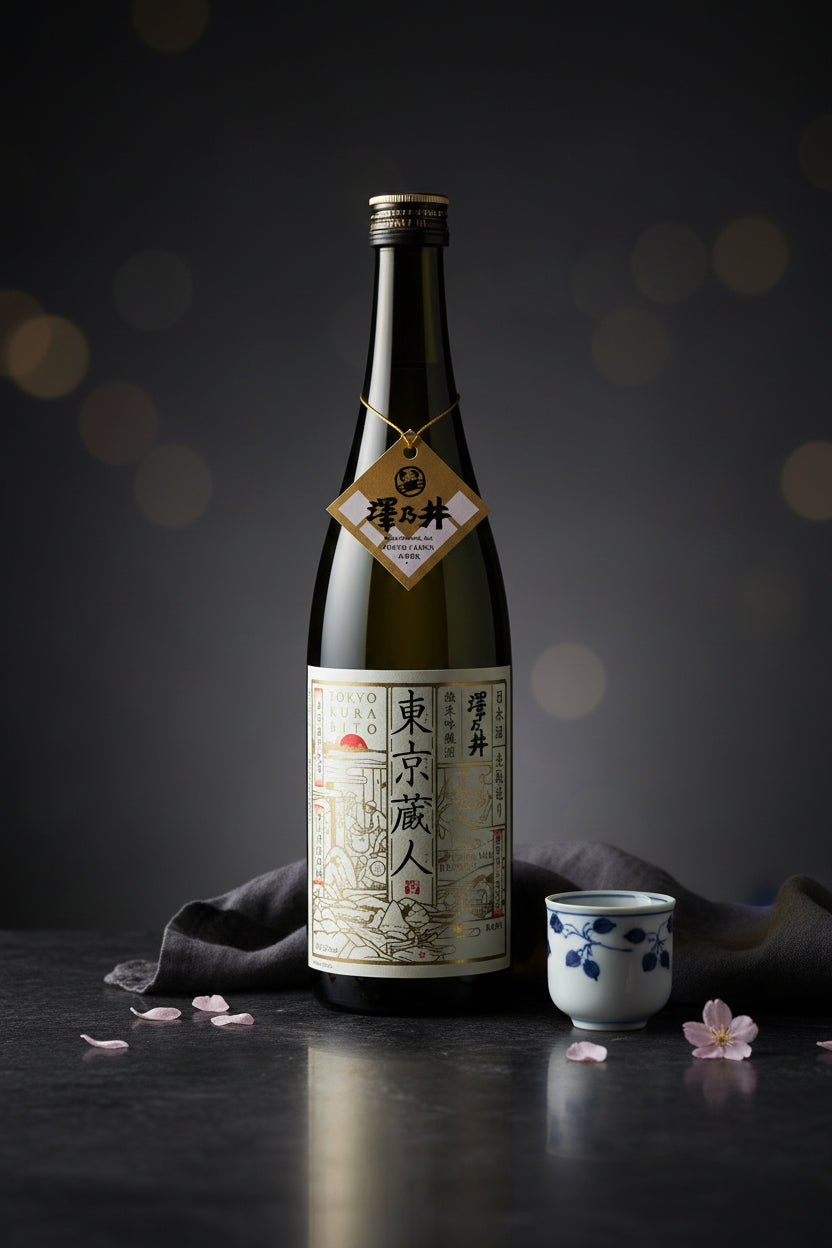
Sawanoi "Tokyo Kurabito" — Kimoto Junmai Ginjo
Ozawa Shuzo, Okutama, Tokyo
Sawanoi's "Tokyo Kurabito" is a rare sake that challenges the assumption that Tokyo is purely a consumer city rather than a producing one. Made in the forested mountains of Okutama — the remote western edge of the Tokyo metropolitan prefecture — it uses the ancient Kimoto method to build a sake of real depth and surprising elegance. "Kurabito" means brewery worker, and the name is a deliberate tribute to the craftspeople who keep these traditions alive.
The Brewery Ozawa Shuzo was established in 1702 in Okutama, where pure mountain streams feed the Tama River. Positioned within what is now a national park, the brewery draws on snowmelt water of exceptional clarity. Despite being technically within the world's largest metropolitan area, Ozawa operates in one of its most remote corners — a contrast the brewery has leaned into rather than away from.
Technical Specifications
- Classification: Junmai Ginjo
- Brewing Method: Kimoto (traditional natural lactic acid starter)
- Rice Variety: Gohyakumangoku (Niigata Prefecture), 100%
- Polishing Ratio (Seimaibuai): 55%
- Sake Meter Value (SMV): +1.0 (lightly dry)
- ABV: 15–16%
Tasting Notes
- Aroma: Reserved and precise — green apple, fresh melon, and a subtle earthiness reminiscent of rice milk. Not showy, but inviting.
- Palate: Medium-bodied and mellow, with a soft fruit sweetness balanced by restrained acidity and a savory umami layer that builds gradually. Drinks closer to a fine white Burgundy than a typical ginjo.
- Finish: Clean and smooth, with a light spiced note — white pepper or mild ginger — at the very end.
Brewing Method — Why It Matters The Kimoto method, developed in the early Edo period, predates modern starter culture techniques by centuries. Brewers use wooden poles to physically mix the steamed rice, koji, and water in a rhythmic process called yamaoroshi, encouraging wild lactic acid bacteria to colonize and protect the fermenting mash naturally. It is exhausting, time-consuming work — most breweries abandoned it after the 1900s. The sakes it produces tend to be more complex, more layered, and more food-compatible than their modern counterparts.
How to Serve
- Temperature: Serve chilled (45–50°F) to highlight the clean fruit profile. Room temperature reveals the earthier, more savory dimension. Both are worth trying in sequence.
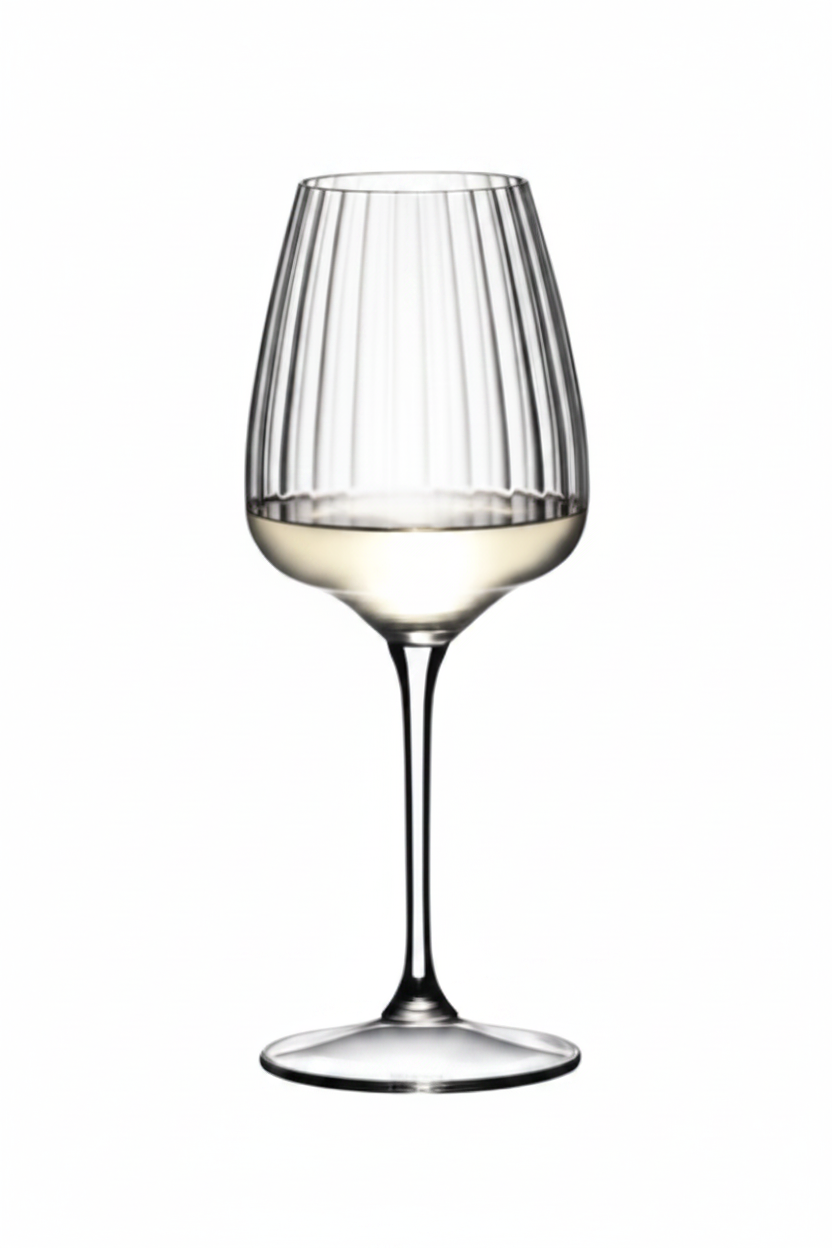
- Vessel: A tulip-shaped white wine glass is ideal for capturing the subtle aromatics.
Food Pairings The combination of restrained fruit, firm acidity, and quiet umami makes this a remarkably versatile food sake:
- Sushi and sashimi — particularly white fish, scallop, or shrimp; the sake's clean acidity lifts delicate seafood
- Raw oysters — the mineral quality and acidity mirror the brine beautifully
- Yakitori — grilled chicken skewers, especially salt-seasoned; the sake's savory character is a natural match
- Vegetable tempura — the crisp batter and light oil are complemented without being overwhelmed
- Mild soft cheeses — fresh chèvre or burrata; the acidity acts as a palate cleanser between bites
Bottle & Availability Available in standard 720ml bottles and occasional 300ml format. Distributed through premium sake retailers nationally.
Share